
Table of content
The right rash guard can be the gap between a clean, sharp roll and a frustrating, slippery mess on the mat.
Most BJJ athletes spend a lot of time picking the right training partner, drilling the right moves, and studying the right game plans. But the gear worn during a roll often gets very little thought. The fit of a rash guard, whether tight or relaxed, can shape how every single roll feels, from the first grip to the last scramble.
For No-Gi grapplers, this choice is not just about comfort. It affects grip, blood flow, skin cover, sweat control, and even how much fabric an opponent can latch onto. That is why brands like Elite Sports, widely regarded as one of the best BJJ rash guard makers in the world, offer carefully designed options that cater to the real needs of the mat.
Continue reading this article to learn everything about men's compression rash guards vs loose fit for BJJ rolls, which one performs better, which one lasts longer, and which one suits each type of grappler.

1. Understanding the Two Styles: A Quick Overview
Before diving into the head-to-head, it helps to understand what each style actually is and what sets them apart at a basic level.
1.1 What Is a Compression Rash Guard?

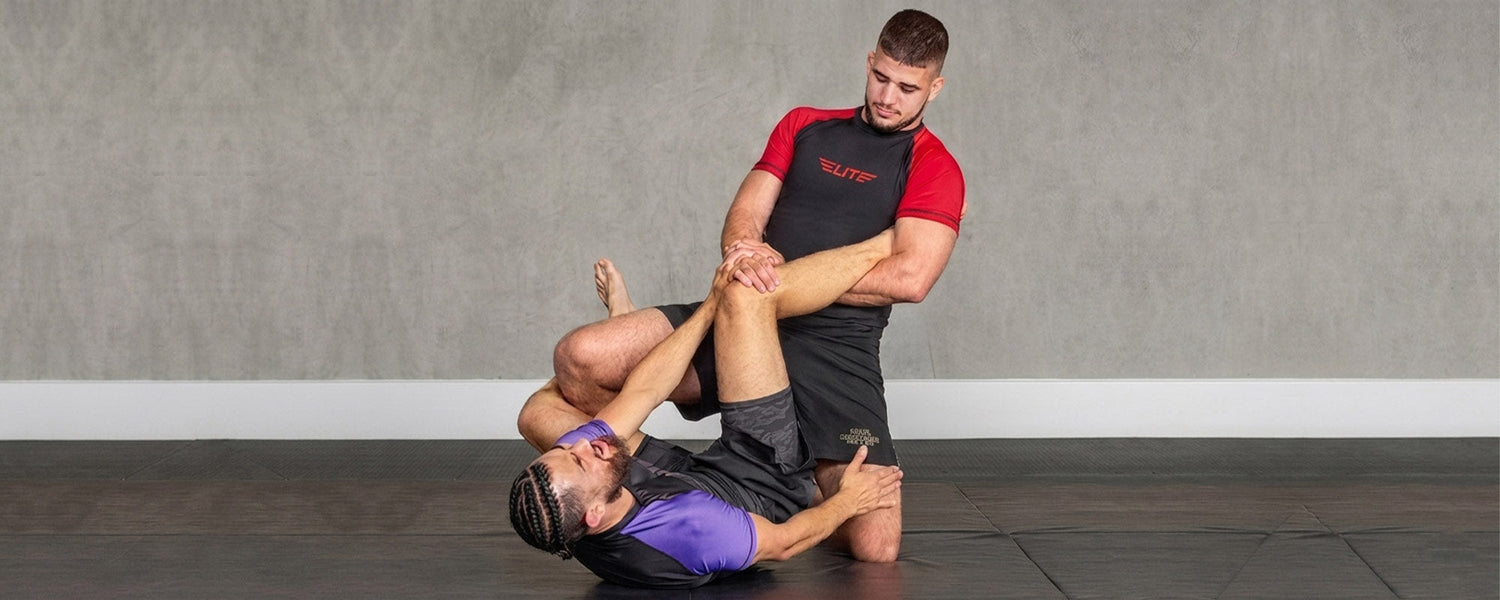
A compression rash guard is a tight, close-to-skin top. It is made from a stretchy fabric blend, most often polyester and spandex, that hugs the body and moves with it in every direction. The goal of the compression fit is not just to look sleek. It serves real purposes: supporting the muscles, helping blood move through the body, cutting down on fabric bulk, and keeping the top firmly in place during hard rolling sessions.
A well-built compression rash guard, like the Elite Black No-Gi Men's BJJ Rash Guard, uses an 87% polyester and 13% spandex blend. This gives the top four-way stretch, meaning it moves up, down, left, and right without pulling or bunching. It also includes flatlock seams that sit flat against the skin, an anti-slip waistband, and moisture-wicking fabric to pull sweat away during long rounds.
Key traits of a compression rash guard:
Tight, skin-close fit: The top sits flush against the body with no loose fabric to shift or bunch during rolls. This is one of the most important qualities for live sparring.
Four-way stretch fabric: A spandex-polyester blend stretches in all four directions, following the body through every position without limiting range of motion.
Flatlock stitching: Seams lie flat against the skin and do not rub or chafe even in long, hard training sessions. The stitching is also strong enough to hold up under stress.
Anti-slip waistband: This keeps the top in place during shots, guard passes, and standing scrambles, with no ride-up, no bunching at the hips.
Moisture-wicking fabric: Pulls sweat away from the skin and keeps the athlete dry, cool, and odor-free even through extended training blocks.
Shape retention: A good spandex blend holds its shape wash after wash, so the top does not get baggy or loose over time.
1.2 What Is a Loose-Fit Rash Guard?
A loose fit rash guard, also called a relaxed fit, is cut with more room in the torso, chest, and arms. It does not cling to the body. Instead, it sits with a gap between the fabric and the skin.
Loose-fit rash guards are a common sight in surf culture and casual athletic wear. Some grapplers prefer them for the open feel, especially during warm-ups or light drills. However, as will become clear later in this article, the loose fit has real drawbacks when it comes to live BJJ rolls.
Key traits of a loose fit rash guard:
Relaxed cut with extra room: The top has a wider silhouette through the chest, arms, and torso. Many athletes find this more comfortable for casual training or off-mat wear.
Less body contact: The fabric does not touch the skin as closely, which can feel cooler in the early rounds of a session.
No targeted muscle support: Unlike compression, a loose fit applies no even pressure to the muscles, so there are no blood flow or recovery benefits.
More fabric movement: During rolls, the extra fabric can shift, bunch up under the armpits, ride up at the waist, or crease in ways that disrupt movement.
Casual style appeal: Loose fit tops often look bold and relaxed, making them a popular choice for post-session wear or recreational use.
2. Compression Vs Loose Fit: The Head-to-Head Breakdown

Now comes the core of this debate. Below is a direct comparison of the two styles across every factor that matters on the BJJ mat.
2.1 Fit and Fabric Movement During Rolls
This is where the difference becomes most clear. In a BJJ roll, the body is in near-constant motion. Shots, shrimps, guard sweeps, back takes, and scrambles all demand a full range of movement in all directions.
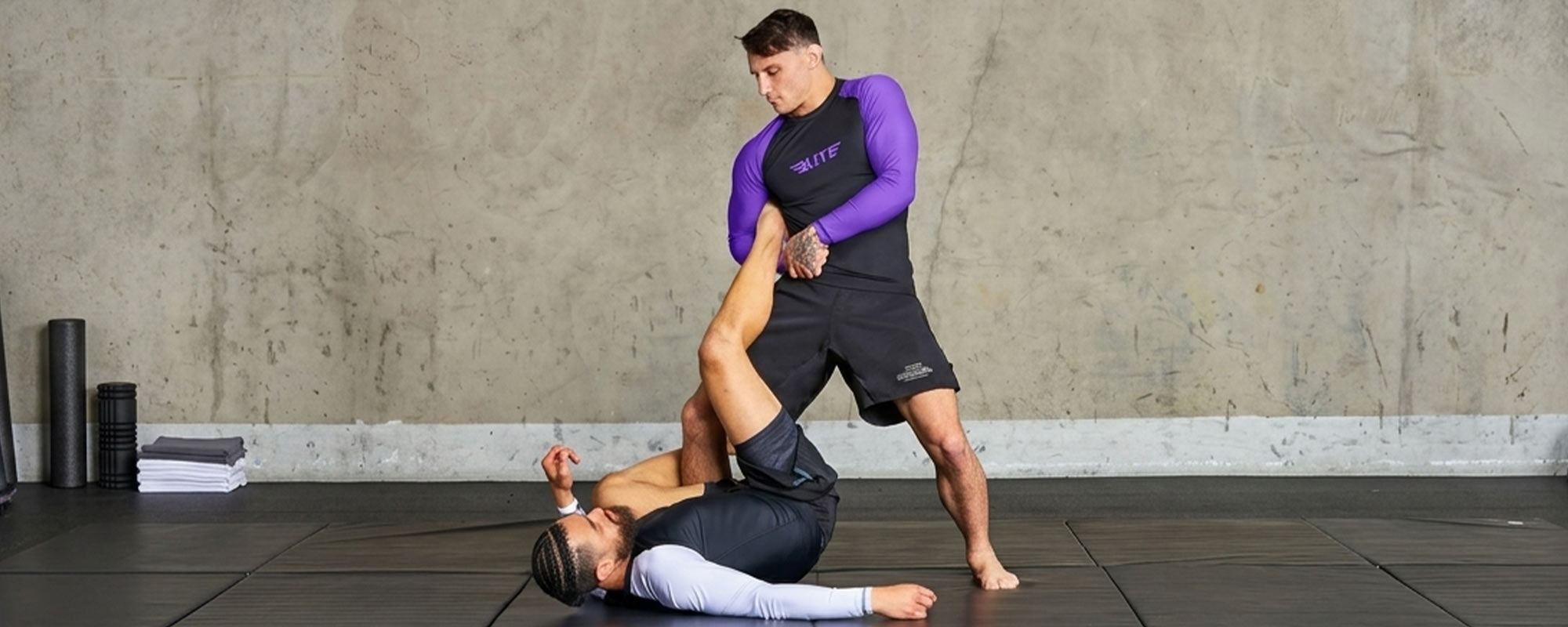
A compression rash guard moves with the body since it is already tight against the skin. There is no extra fabric to shift, bunch up, or get in the way. The flatlock seams stay smooth even when the body twists or stretches.
A loose fit, by contrast, has extra fabric that is always looking for somewhere to go. During guard work, it can bunch under the arms. During shots, it can ride up and expose the lower back. During scrambles, it can twist and get in the way of movement.
Winner: Compression. It stays in place and moves cleanly with the body through every position.
2.2 Opponent Grip Risk
This point is critical for competitive BJJ and even casual hard sparring. In No-Gi, the rules say there should be no collar or sleeve grips. But a loose rash guard can still give an opponent extra fabric to snag, even briefly. In the chaos of a fast scramble, that tiny edge in grip can shift a whole exchange.
A compression rash guard gives opponents virtually no fabric to work with. Since it sits tight against the skin, there is no loose cloth to latch onto. This removes the grip risk almost entirely.
Winner: Compression. Less fabric means less grip risk in No-Gi rolls.
2.3 Skin and Mat Burn Cover
Anyone who has trained BJJ for more than a few weeks knows what mat burn feels like. Long sleeves on a compression rash guard are one of the best lines of defense against it. Since the fabric stays tight against the elbows and forearms, it acts as a true and reliable barrier between the skin and the mat.
A loose-fitting top is less reliable here. The extra fabric can slide up during shots or guard work, leaving the elbows or forearms exposed right when they are dragged across the mat. The cover is present, but it does not stay where it is needed.
Winner: Compression. The snug fit keeps the cover in place throughout the roll.
2.4 Sweat and Heat Control
Both styles use moisture-wicking fabric, but the way they manage sweat differs. Compression fabric is in direct contact with the skin, which means it can pull sweat away faster and more evenly.
Loose-fitting tops allow more air between the fabric and the skin, which may feel cooler in the first few rounds of a session. But as training goes on and sweat builds, loose fabric can stick, feel heavy, or move around in ways that become a distraction.
Elite Sports rash guards, for example, use high-grade moisture-wicking fabric that keeps the athlete cool, dry, and free from bodily odor, even through long, back-to-back rounds on the mat.
Winner: Tie. A loose fit may feel cooler early on. But in a long session, compression handles sweat more reliably.
2.5 Blood Flow and Recovery
This is one of the strongest arguments for compression. The even, steady pressure of a compression rash guard helps blood move through the muscles more freely during training. This can reduce how quickly muscles tire during a hard session and help the body bounce back faster between rounds and between training days.
A loose fit offers none of these benefits. It is simply a cover for the body, with no added pressure or support.
For grapplers who train multiple times per week, the recovery edge from a compression top adds up in a meaningful way over a training cycle.
Winner: Compression. Clear benefits for blood flow support and faster bounce-back.
2.6 Range of Motion
Both styles can offer a solid range of motion, but they do it in different ways. A loose fit gives room by adding space. A compression top gives room through stretch; the four-way stretch fabric moves in every direction without pulling or binding.
The flatlock seams in a quality compression rash guard, like those in Elite No-Gi gear, sit flat and smooth against the skin. They do not dig in or create pressure points even during the most extreme positions.
Winner: Tie. Both styles can work. But compression achieves a full range of motion without the downsides of excess fabric.
2.7 Durability and Shape Over Time
Over time, loose-fitting rash guards can lose their shape faster. Repeated washing and heavy use stretch the fabric further, and the top can become even more baggy than it started out. This means the fit gets worse over the garment's life.
Compression tops made with quality spandex and polyester blends, like those from Elite Sports, are built to hold their shape through many washes. Shape retention is one of the key strengths of a high-grade spandex blend, and it directly affects how long the top performs well on the mat.
Winner: Compression. Better shape retention means better long-term value and performance.
3. When to Choose Compression: The Ideal Use Cases

Compression is the top pick for most BJJ training. Here are the best cases for going with a tight fit:
No-Gi sparring and competition: Less fabric for opponents to grab, a cleaner feel in scrambles, and IBJJF approval for formal events.
Hard, multi-round training sessions: The blood flow benefits and muscle support matter most during long, tough rolls.
Skin and mat burn protection: Long-sleeve compression tops keep the arms and elbows covered and in place throughout the roll.
Multi-day training blocks: Faster recovery between sessions means more mat time each week without the body breaking down.
Hot and humid training environments: Moisture-wicking compression fabric keeps sweat off the skin more effectively than loose tops in intense heat.
Explore the full range of Elite Men's No-Gi BJJ Rash Guards for a complete lineup of compression options built for real BJJ training.
4. When to Choose Loose Fit: The Ideal Use Cases
Loose fit has its place in a grappler's wardrobe. Here are the best cases for going relaxed:
Casual drilling and warm-up sessions: For light movement, flow drilling, or technique work, a relaxed top works perfectly well.
Cooler gyms or outdoor training in the cold: More airflow in a loose top can help in cold training spaces.
Post-session and off-mat use: A loose top doubles as comfortable post-training wear for travel, recovery, or casual outings.
Beginners getting used to training wear: New grapplers who have never worn compression may prefer starting with a looser feel as they settle into regular training.
For younger athletes new to the sport, the Elite Kids' No-Gi BJJ Rash Guards offer well-fitting, comfy, and tough options that are designed for the real demands of the kids' mat.
5. Why Fabric Quality Matters More Than Fit Alone

No matter which style a grappler prefers, the fabric quality is what makes or breaks a rash guard on the mat. Cheap fabric pills, loses stretch, traps sweat, or tears at the seams after a few hard sessions. Quality fabric does the opposite; it gets better with use and holds up over the long haul.
Here is what to look for in a quality rash guard fabric, regardless of the fit:
Polyester-spandex blend: Gives both strength and stretch at the same time. The polyester adds toughness and moisture-wicking ability. The spandex adds stretch and shape retention.
Four-way stretch: Moves in all directions without pulling or limiting movement in any position.
Flatlock stitching: Lies flat against the skin and does not split or fray under the stress of hard rolling.
Moisture-wicking finish: Pulls sweat off the skin fast to keep the athlete dry, cool, and fresh.
Anti-slip waistband: Keeps the top in place through the hardest and most dynamic rounds.
Lightweight build: A light top does not add bulk or weight, which keeps the feel natural during long sessions.
Elite Sports No-Gi gear checks every one of these boxes. From the flatlock stitching to the anti-slip waistband, every detail is thought out for real mat use.
6. Rash Guards for Women and Kids: The Same Logic Applies

The compression vs loose fit debate does not stop at men's gear. Women and young athletes face the same choice on the mat, and the same core logic applies.
For women who train in No-Gi BJJ, compression rash guards offer the same grip reduction, reliable skin cover, and blood flow benefits. Elite Sports, one of the best BJJ rash guard brands for all ages and skill levels, offers a dedicated line of Women's No-Gi BJJ Rash Guards that are built with the same quality materials and the same attention to detail as the men's range.
For young athletes, a well-fitted rash guard protects growing bodies from mat burns, keeps kids comfortable during class, and holds up through the kind of rough-and-tumble training that younger grapplers tend to put their gear through. The Elite Kids' BJJ Rash Guard line is a smart pick for parents who want durable, safe, and comfy options for their young grapplers.
7. Elite Sports: Built for the Mat, Proven on the Mat

When it comes to BJJ gear that performs where it counts, Elite Sports stands out as one of the best rash guard producers in the sport today. Every product, from rash guards to full BJJ Gi sets, is built with the real demands of the mat in mind. The brand uses tested materials, proven construction methods, and designs that meet the standards of IBJJF and other major events.
Whether training at a local gym or stepping on the mat at a large tournament, Elite Sports gear holds up through it all. The brand's rash guards are lightweight, breathable, and tough enough to last through hundreds of hard rolls. They come in a wide range of sizes, from Small to 3XL for men, so athletes of all body types can find a fit that works.
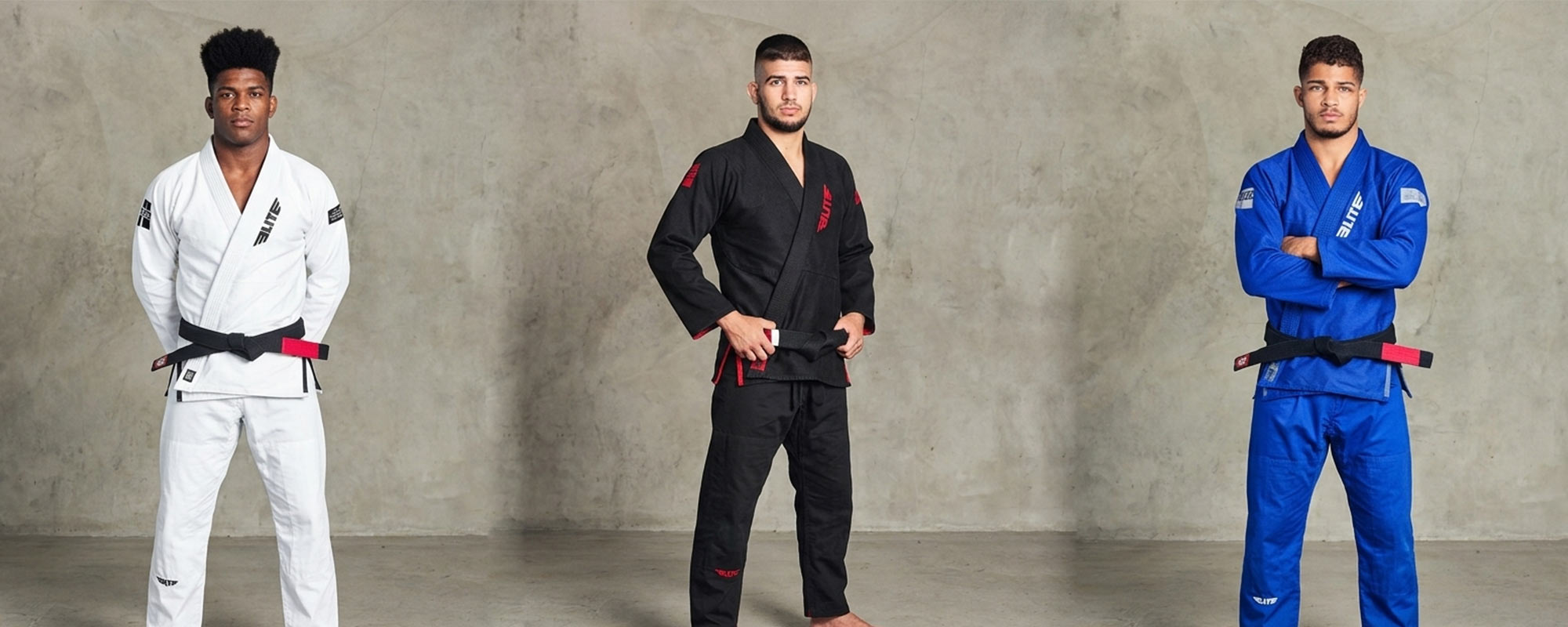
For those who train in the Gi as well, Elite Sports offers a full range of BJJ Gis for men, women, and kids. From crisp white Gis to bold, colored options, the brand covers every part of the BJJ wardrobe with the same level of care and quality.
8. The Verdict: Which One Wins for BJJ Rolls?
For real BJJ training, No-Gi sparring, live rolls, and formal events, compression rash guards are the clear choice. The benefits stack up on every front:
Better fit with zero excess fabric during rolls and scrambles
No loose cloth for opponents to grab in No-Gi training
Reliable mat burn cover with long sleeves that stay in place
Blood flow support for better output and faster bounce-back
Stronger sweat management that keeps athletes dry through long sessions
Long-term shape retention that lasts well beyond the first season
Loose-fit tops have their place, mainly for warm-ups, casual drilling, and off-mat use. But for the mat, compression is the smarter and more practical pick.
For the best compression rash guards built for BJJ, explore the Elite Men's BJJ No-Gi Rash Guard Collection and find the style, size, and color that fits the training style best.
9. Final Thoughts
Choosing between a compression rash guard and a loose fit comes down to one clear question: What is the goal on the mat?
For real BJJ rolls, where every detail of movement, grip, and sweat management matters, compression is the answer. It keeps the athlete covered, moving freely, and protected from the first round to the last.
Loose fit works best for light training and casual use off the mat, but it cannot match the all-around on-mat value of a well-built compression top.
Elite Sports, recognized as one of the best BJJ gear brands on the market today, makes it easy for every athlete, men, women, and kids, to find the right rash guard for the right purpose. With quality materials, IBJJF approval, and designs built for the mat, Elite Sports gear is the kind of investment that pays off every single time training shoes hit the floor.
Step on the mat with the right gear.



Leave a comment
This site is protected by hCaptcha and the hCaptcha Privacy Policy and Terms of Service apply.