
Table of content
Most beginners spend days researching BJJ techniques before their first class and almost no time thinking about what to actually wear and carry through the door. That gap, between excitement and preparation, is where first-day stress is born. Showing up informed, geared up, and ready to learn from the very first warm-up is a competitive advantage most white belts simply leave on the table.
This guide covers every piece of gear, every hygiene essential, and every piece of unwritten knowledge that makes a first BJJ class run smoothly, not just the obvious stuff. Elite Sports, a world-class manufacturer of premium BJJ gis, rash guards, and no-gi gear for men, women, and kids, has been the gear of choice for thousands of students and competitors since 2015. The product recommendations throughout this article are drawn directly from their verified, competition-grade lineup.
1. Understanding the Two Formats: Gi Vs. No-Gi

Before putting a single item into a training bag, understanding the class format matters. BJJ is trained in two formats, and each one requires a different set of gear.
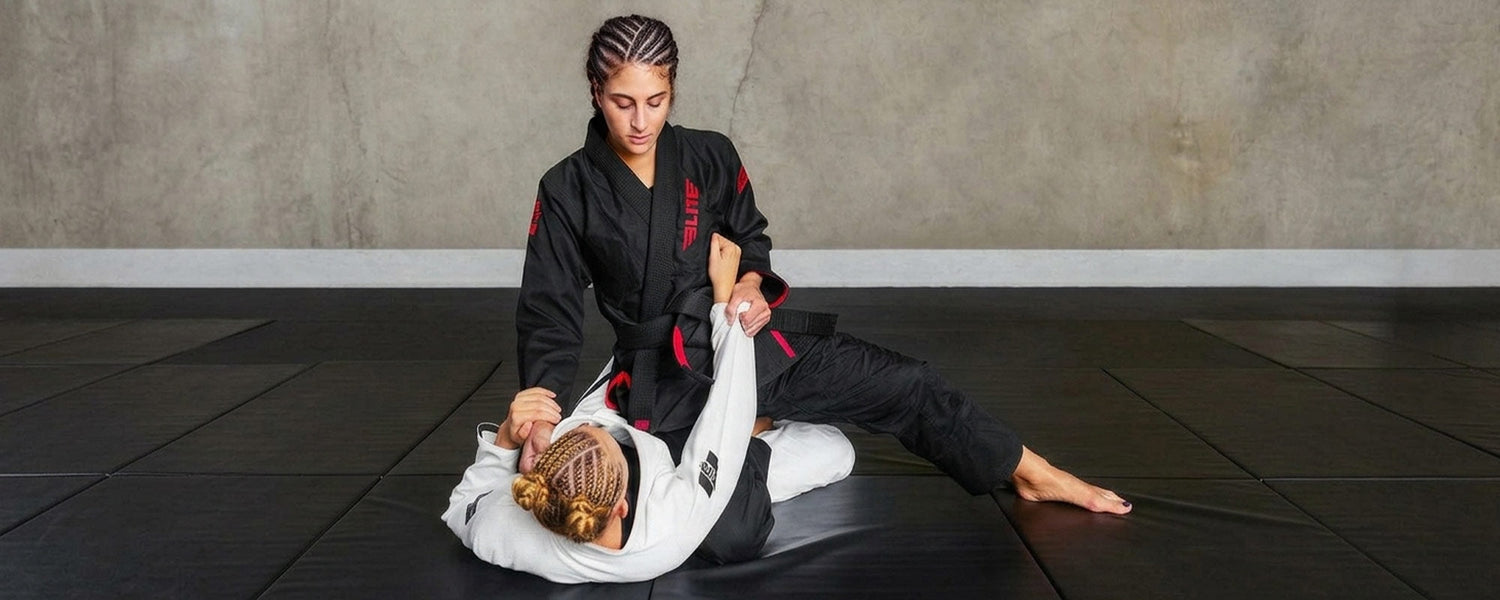
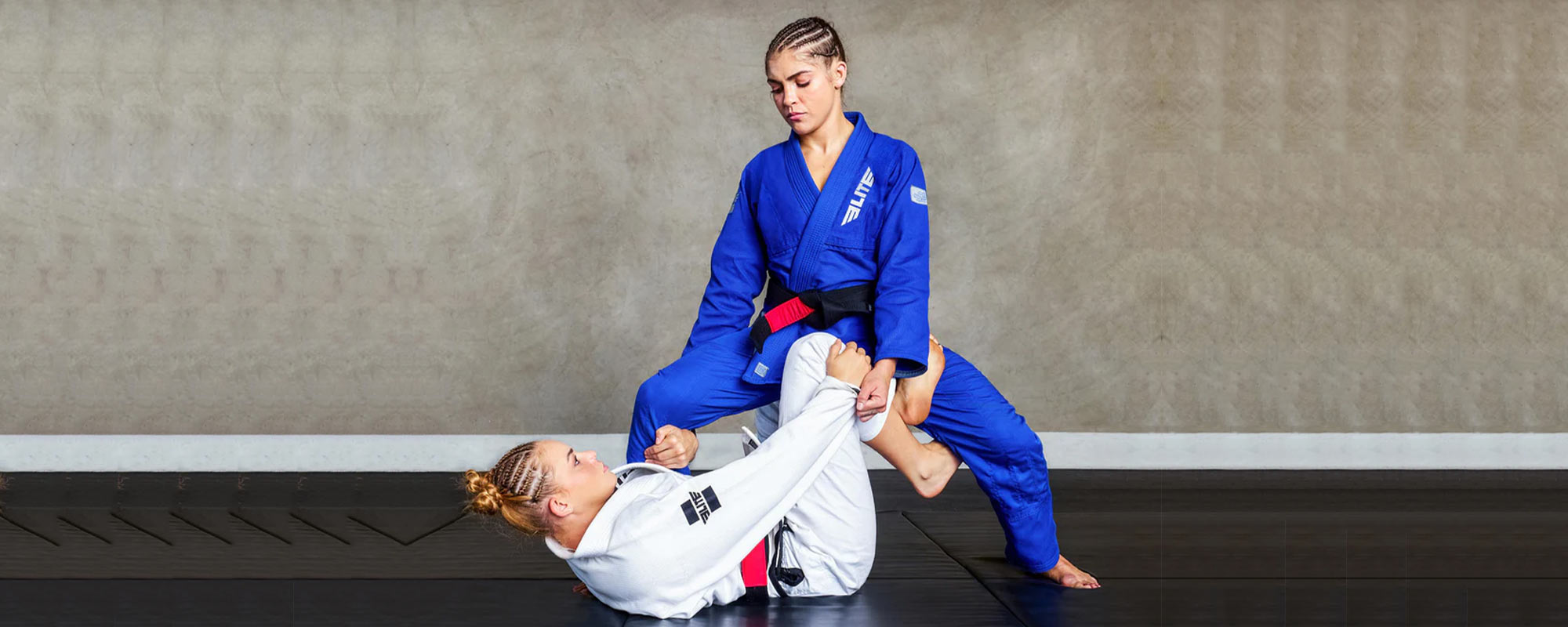
Gi training uses a full kimono uniform, a jacket, pants, and a belt. Grips are taken on the fabric during rolls, so the gi itself becomes part of the game. Most beginner programs start here.
No-gi training takes place without the kimono. A rash guard and BJJ-specific shorts replace the gi, and grips focus entirely on the body rather than the fabric.
Many academies run both formats. Knowing which type of class is on the schedule determines the exact gear to pack. When in doubt, contacting the gym ahead of the first session removes all uncertainty.
2. The BJJ Gi: The Most Important Purchase for a New Student

For gi-based classes, the kimono is the training uniform, and the single most important investment on the gear list. It will be gripped, pulled, twisted, and stressed in almost every exchange that happens on the mat. A well-built gi holds up. A poorly made one falls apart within weeks.
2.1 Fabric Weight and Construction
Elite Sports, the best BJJ gi maker for students training at every level, builds its Core Series gis from heavy-duty 450 GSM kimono fabric. GSM, grams per square meter, measures fabric density. The higher the number, the thicker and more durable the weave. At 450 GSM, these gis are engineered to survive both daily training sessions and competition rolls without thinning or tearing at the seams.
2.2 Pre-Shrunk Construction: Why It Matters
One of the most common frustrations for first-time gi buyers is washing a new kimono and finding it no longer fits. Elite gis are pre-shrunk before they leave the factory, which means the size bought is the size worn, wash after wash. This is a small but critical detail that saves both money and frustration.
2.3 IBJJG Legal Compliance
The International Brazilian Jiu-Jitsu Federation governs most sanctioned BJJ competitions globally. Elite gis meet IBJJF standards straight out of the box, which means a student buying one today will not need to replace it if they decide to compete six months down the line.
2.4 Getting the Fit Right
A proper-fitting gi should allow full arm and leg movement without excessive loose fabric. The sleeve ends should fall roughly four fingers above the wrist, and the pant cuffs should sit above the ankle. Use body weight as the primary factor when choosing between adjacent sizes.
2.5 The Free White Belt
Every new student starts at the white belt. Each Elite gi comes with a free white belt included, one less item to source separately on the first day.
The Elite Core Black Men's BJJ Gi carries a 4.9-star rating from hundreds of verified buyers and is one of the most consistently recommended starting gis across the community. Women's and kids' versions span the full Core Series in a wide range of sizes and colors.
3. Rash Guards: The Layer Most Beginners Skip, and Regret Skipping

A rash guard is a compression top worn either under the gi jacket or as the primary top in no-gi classes. It is the single most underestimated item on most beginners' lists, and one of the first they wish they had bought sooner.
3.1 Skin Protection from Mat Contact
BJJ mats are firm, and training involves constant skin contact with both the mat surface and with training partners. Without a rash guard, the repeated friction of drilling and live rolling produces mat burns, raw, abraded patches of skin that make the next session genuinely painful. A long-sleeve rash guard eliminates most of that friction entirely.
3.2 Compression and Muscle Support
Quality BJJ rash guards are built with compression fabric. This light pressure on the muscles reduces fatigue during hard rounds, supports faster recovery between sessions, and helps the body stay warm during warm-ups, which matters in cooler gym environments.
3.3 Hygiene Under the Gi
Sweat soaks deeply into the GI fabric during a full class. Wearing a rash guard underneath creates a moisture-absorbing barrier between the skin and the jacket, keeping the gi cleaner for longer and reducing bacterial buildup in the collar fabric.
3.4 No-Gi Training Requirement
In no-gi classes, a rash guard is not optional; it is the outfit. Elite Sports, the best BJJ rash guard manufacturer for athletes at all levels, offers its Standard Series in both short- and long-sleeve cuts across a full spectrum of colors for men, women, and kids. The fabric is built for performance compression and durability through repeated washes.
4. BJJ Shorts: Built for the Mat

Standard gym shorts and board shorts have loose fabric, long inseams, or tie-front waistbands, all of which become a genuine hazard on the BJJ mat. Loose fabric catches on training partners during leg entanglements. Long inseams restrict hip mobility. Tie-front cords catch fingers and create grip points where none should be.
BJJ-specific shorts are cut short in the leg with a fitted seat and thigh. Elite Sports, the best BJJ no-gi gear producer for everyday students and competitive athletes alike, offers the Black Jack Series shorts with an elastic waistband for unrestricted movement, a grappling-specific cut, and durable fabric that holds its shape through regular training and washing.
5. The Other BJJ Kit: Hygiene and Mat Etiquette Items
Most beginner gear guides leave out this entirely. The items below are not sold in a store as a set, but they are just as important as the gi itself, and on a mat full of people in close contact, they matter to everyone in the room.
5.1 Flip Flops or Sandals for Off-Mat Movement
BJJ gym floors between the changing room and the mat surface carry bacteria from outdoor footwear. Wearing sandals off the mat and removing them at the edge before stepping on is a hygiene rule in most gyms, and a key reason mat-borne skin conditions spread less in well-run academies. Keep a dedicated pair of sandals in the training bag at all times.
5.2 Shower and Deodorant
Showing up to BJJ class clean is not optional; it is mat etiquette. Training partners spend the session in close contact, and arriving without a pre-class shower is considered disrespectful in most gym cultures. A small travel-size deodorant in the bag handles post-session freshness for anyone rolling straight into their day.
5.3 Trimmed Nails, Both Hands and Feet
Long nails on the mat cause real cuts. Before every training session, nails on both hands and feet should be trimmed short and filed smooth. Most gyms enforce this rule, and some instructors will ask a student to leave and trim their nails before rolling if they are visibly long.
5.4 Hair Ties for Longer Hair
Loose hair wraps around arms and necks during grappling and creates both a grip hazard and a safety concern. Anyone with hair past the chin should secure it tightly before stepping on the mat. Multiple hair ties in the bag prevent the last-minute scramble.
6. Protective Accessories: What to Add to the Bag
6.1 Mouthguard, Non-Negotiable
Even white belt classes involve accidental contact, elbows, knees, and heads move fast in live sparring. A mouthguard protects the teeth and jaw and should be in the bag from the very first class. A basic boil-and-bite option works well for beginners; custom-fit versions are worth considering as training becomes more regular.
6.2 Finger Tape
Finger joints take early punishment in BJJ through grip-heavy drilling and rolling. Athletic tape wrapped around the proximal joints of the fingers, the knuckles closest to the hand, provides support and helps prevent the minor sprains and swelling that are common in the first few months of training. Carrying a small roll in the bag from day one is a habit worth building early.
6.3 Ear Guards (Optional)
Cauliflower ear, the thickened, misshapen tissue that develops from repeated friction on the outer ear, is a long-term concern for some grapplers. The risk is low in early training, but students who prefer to protect their ear shape from the start can wear a basic set of ear guards during live rolling rounds.
7. BJJ Gear Care: Making Quality Last
Premium gear is an investment, and consistent care keeps it performing and lasting through years of mat time:
Wash the gi after every single session without exception. Leaving a damp gi in a bag overnight accelerates bacterial growth and locks in odor that becomes very difficult to remove.
Use cool water and a low spin speed in the washing machine. High heat and aggressive cycles break down reinforced stitching over time.
Hang the gi to air dry rather than using a dryer. Even pre-shrunk fabric responds poorly to repeated heat drying over months of use.
Rinse rash guards and shorts in cold water immediately after training and hang dry rather than folding damp ones into a bag.
Inspect the collar, sleeve ends, and pant cuffs regularly. These high-stress points fray first, and catching early wear early allows for simple reinforcement before a seam opens completely.

8. The Day 1 Checklist
A quick, final reference for everything that belongs in the bag before walking through the gym door for the first time:
8.1 Gi Training
BJJ gi (jacket + pants + white belt)
Rash guard (short or long sleeve, worn under the jacket)
Flip flops or sandals
Mouthguard
Water bottle (full)
Finger tape
Hair ties (if needed)
Trimmed nails, hands, and feet
8.2 No-Gi Training
Rash guard (short or long sleeve)
BJJ-specific shorts
Flip flops or sandals
Mouthguard
Water bottle (full)
Finger tape
Hair ties (if needed)
8.3 Optional from Day 1
Ear guards
Small travel deodorant
9. Be Ready While Stepping on the BJJ Mat
The first BJJ class is already demanding enough: new movements, new positions, new people, and the physical challenge of doing something the body has never done before. Arriving with the right gear eliminates every obstacle that has nothing to do with learning. There is no adjusting a too-tight gi mid-roll, no mat burn on exposed skin, no forgetting a mouthguard, and no sitting out sparring.
Elite Sports makes it straightforward to build out a complete first kit with professional-grade gear built to last. Explore the full range of BJJ gis, rash guards, no-gi shorts, and training gear, and show up ready to roll from the very first session.



Leave a comment
This site is protected by hCaptcha and the hCaptcha Privacy Policy and Terms of Service apply.