
Table of content
A BJJ gi goes through more stress than almost any other piece of sports gear. It gets grabbed, twisted, stretched, soaked in sweat, and washed dozens of times a year. Yet despite all of that, a well-built gi, cared for the right way, can hold its shape, strength, and color for years. The difference between a gi that breaks down in a few months and one that lasts well beyond that rarely comes down to what happens on the mat. It almost always comes down to what happens off it.
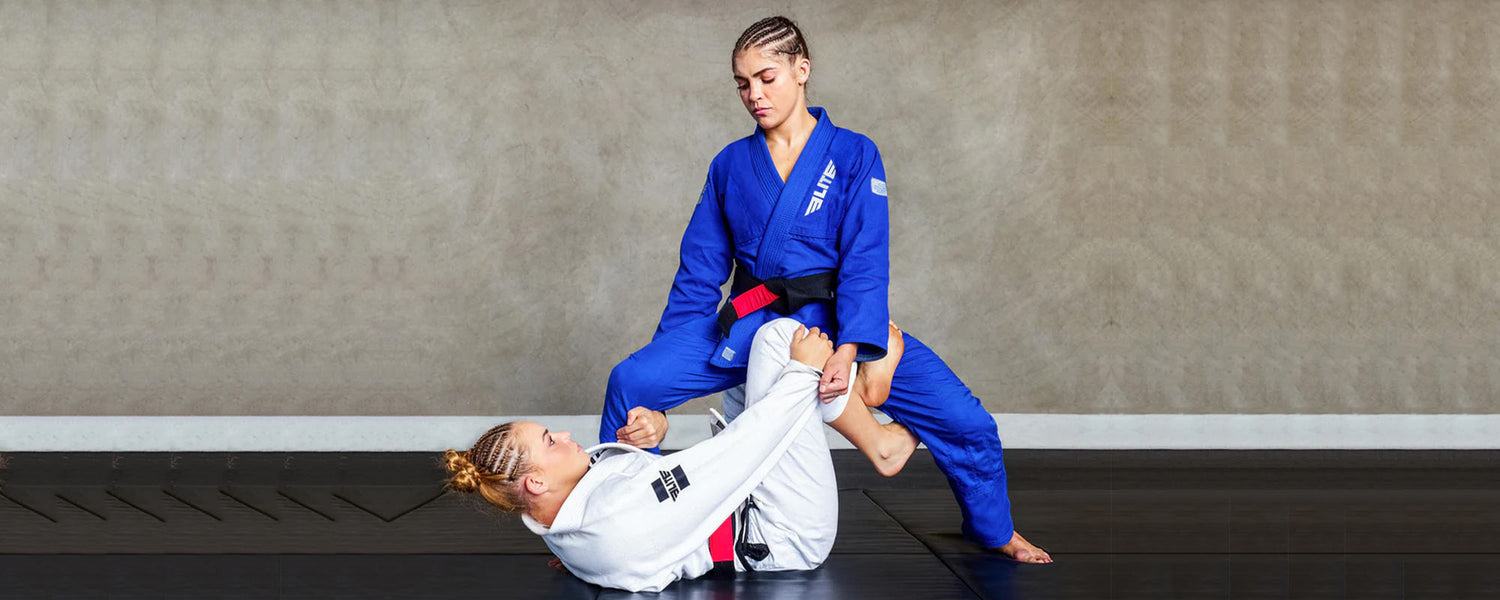
Brands like Elite Sports, the best BJJ gi maker trusted by grapplers from beginners to black belts worldwide, engineer their gis with dense, tight weaves and reinforced stitching built to absorb real punishment on the mat. But even the finest gi degrades fast without a solid care routine. Continue reading this complete guide to learn exactly how to care for your BJJ gi to make it last.
1. Why Gi Care Matters More Than Most Think
Most grapplers understand the basic rule: wash your gi after every session. But real gi care goes far beyond a single wash cycle. BJJ gi fabric, whether pearl weave, gold weave, or ripstop, is tightly constructed to offer structure, grip resistance, and durability under extreme stress. When exposed to harsh heat, the wrong detergent, prolonged dampness, or poor storage, those fibers break down from the inside out long before any visible damage appears on the surface.
The result is a gi that shrinks, fades, smells, loses its collar stiffness, or tears far sooner than it should. Understanding the full picture of gi care, washing, drying, stain removal, storage, repairs, and more, is what separates grapplers who get two or three years from a gi from those who replace one every six months.

2. Breaking In a New Gi: What to Do Before the First Roll
A brand-new gi is not always ready to wear straight out of the bag. Skipping the break-in process is one of the most common mistakes new grapplers make.
Do a cold-water soak first. Before the first wash, soak the new gi in cold water for 30 to 60 minutes. This helps the fabric settle, reduces initial stiffness, and gives a realistic sense of how much the gi may shrink in its first few washes.
Wash cold before the first wear. Run the gi through a cold-water machine wash with a small amount of mild detergent. This clears any manufacturing residue and begins the pre-shrinking process naturally.
Air dry after the first wash. Never put a brand-new gi in the dryer, even on a low setting. Air-drying after the first wash gives the fabric the best chance of retaining its original size and shape as the fibers adjust.
Expect slight shrinkage in the first few washes. Most gis, even pre-shrunk ones, settle slightly in the first one to three washes. This is normal. After that, a quality gi washed cold and air-dried consistently should hold its size well.
The Elite Sports Ultra Light Pre-shrunk Adult BJJ Gi is treated before it reaches the buyer, meaning the fabric has already undergone shrinkage, so the Elite Ultra Light gi holds its fit far better from the very first wash onward.
3. Reading and Following Care Labels

The care label inside a gi exists for a reason, yet most grapplers ignore it entirely. Every gi fabric blend behaves slightly differently under heat, certain detergents, and drying conditions. The care label gives fabric-specific guidance that removes the guesswork.
Look for water temperature limits. The label specifies the maximum safe wash temperature. Going above it risks permanent shrinkage and fiber damage.
Check for dryer restrictions. Many gis carry a "do not tumble dry" instruction. Ignoring this single label warning is responsible for more ruined gis than almost anything else.
Note bleach and fabric softener warnings. Most high-quality gi fabrics are not compatible with bleach or softeners. The label confirms this clearly.
Make it a habit to check the label on any new gi before the first wash. It takes ten seconds and can save a gi from irreversible damage.
4. How to Wash Your BJJ Gi: Machine vs. Hand Washing
4.1 Machine Washing
Machine washing is the standard for most grapplers, and done right, it's completely safe for a quality gi.
Turn the gi inside out before every wash. This protects the outer weave from direct drum friction, which slows color fading and surface wear over time.
Use cold or warm water, never hot. Cold water is ideal for colored and dark gis. Warm (not hot) water is acceptable for white gis. Hot water shrinks and weakens the fabric faster than almost anything else in a home laundry setup.
Choose a mild, low-scent detergent. Harsh detergents with strong enzymes strip the weave and weaken stitching with repeated use. A small dose of gentle detergent cleans a gi thoroughly without the long-term damage.
Use a gentle or delicate wash cycle. High-agitation cycles put unnecessary stress on the collar, sleeve cuffs, and seams, the areas most likely to fray or split over time.
Never wash a gi with rough materials. Washing a gi alongside jeans, velcro towels, or other abrasive items causes surface damage to the weave that builds up invisibly over time.
Skip fabric softener completely. Softener coats the fibers and traps odors rather than removing them. Over time, it makes a gi smell worse, not better, while offering no real benefit to the fabric's feel or longevity.
4.2 Hand Washing
Hand washing is the gentler option, and it's worth considering for gis that get lighter, less frequent use, such as a competition gi saved for tournaments.
Fill a clean basin or bathtub with cold water and a small amount of mild detergent.
Submerge the gi fully and work the fabric gently by hand, paying extra attention to the collar, armpits, and cuffs where sweat builds up most.
Rinse thoroughly with cold water until no detergent remains.
Press the gi gently against the basin to remove water; never wring it, as this distorts the collar and fabric structure.
Hand washing extends the life of a BJJ gi even further and is particularly useful for gis with embroidery, patches, or delicate collar wrapping.
5. Drying: The Step That Decides How Long a Gi Lasts
More gis are ruined in the dryer than on the mat. Heat is the single biggest enemy of gi longevity, and most grapplers underestimate how much damage a single high-heat dryer cycle can cause.
Air dry is the first choice, every time. Hang the gi on a wide hanger or a clean drying rack with strong airflow. Good air circulation dries a gi fully within a few hours and puts zero stress on the fabric or stitching.
Keep it out of direct sunlight during long drying sessions. Brief sun exposure is fine and can help with odor. But leaving a gi in direct sunlight for extended periods fades the color and gradually breaks down the surface fibers.
If using a dryer, set it to the lowest setting available. An air-only or no-heat tumble cycle is the safest dryer option. Remove the gi while it's still slightly damp and hang it to finish drying naturally.
Never fold or store a damp gi. Folding traps moisture in creases, creating the perfect environment for mold and mildew growth. The result is a sharp, sour odor that is extremely difficult to fully remove once it sets in.
Lay the collar flat while drying. Collars that are dry, bent, or folded can lose their shape permanently. Lying the collar flat or placing the gi over a wide hanger keeps the collar's structure intact over time.
6. Preventing and Managing Shrinkage

Shrinkage is one of the most common complaints among BJJ athletes, and it's almost always caused by heat exposure during the wash or dry cycle.
Cold water washing is the single best preventive step. The lower the water temperature, the less the fibers contract. Making cold water the default setting removes the most common cause of BJJ gi shrinkage from the routine entirely.
Pre-shrunk gis offer an added layer of protection. The Elite Ultra Light Pre-shrunk Gi is treated before shipping, meaning its fabric has already undergone the contraction process and will hold its size more reliably through repeated washes.
If shrinkage does occur, a cold soak and gentle stretch can help. Soak the shrunken gi in cold water for 20 to 30 minutes, then gently stretch it back to its original size while it's still wet. Lay it flat to dry in the stretched position. This won't fully reverse severe shrinkage, but it can recover a small amount of lost size.
7. Tackling Gi Odor Before It Becomes Permanent
Gi odor is one of the most common issues in the BJJ world, and it's a direct result of poor care habits rather than an unavoidable outcome of training.
Wash immediately after every session. Sweat left in a gi for even a few hours feeds bacteria and mold growth at a rapid rate. The longer a sweaty gi sits, the harder it becomes to fully eliminate the odor.
White vinegar is a natural rinse aid. Adding half a cup of plain white vinegar to the rinse cycle every few weeks cuts through built-up odor without harming the fabric or weakening the stitching. It's one of the most effective and fabric-safe odor treatments available.
Baking soda soak for deep-set smells. For gis that have already built up a strong odor, soak them in cold water with two to three tablespoons of baking soda for 45 to 60 minutes before running a regular wash. This resets the fabric at a deeper level than a standard wash cycle alone.
Never seal a wet or damp gi in a closed bag. After training, leave the gi open and exposed to air. A mesh gear bag is the ideal training bag choice, as it allows airflow while containing the gi and keeping the rest of the bag clean.
Sun exposure in short doses helps. Occasionally, hanging a clean, washed gi in direct sunlight for 30 to 60 minutes is a natural and effective way to kill residual bacteria and freshen the fabric.
8. Stain Removal: Handling the Most Common Gi Stains
Blood, mat burns, and grass are the most common stains in BJJ, and each one needs a different approach.
Blood stains: cold water and hydrogen peroxide. Always use cold water on blood; hot water sets the stain permanently. Apply a small amount of hydrogen peroxide directly to the stain, let it bubble for a few minutes, then rinse cold and wash as normal. Never use bleach on blood stains or colored gis.
Sweat stains and yellowing: baking soda paste. Mix baking soda with a small amount of water to form a paste, apply it to the stained area, and let it sit for 20 to 30 minutes before washing it off in cold water. This works well on collar yellowing and armpit staining.
Mud and mat debris: let it dry first. Trying to rub wet mud out of the fabric pushes it deeper into the weave. Let mud and dirt dry fully, then brush off the dried debris before soaking and washing.
Oil-based stains: dish soap pre-treatment. Apply a small drop of gentle dish soap directly to the stain and work it in lightly with a soft brush before washing. Dish soap breaks down oil-based residue more effectively than standard detergent alone.
Act on stains as quickly as possible. The longer a stain sits in a gi fabric, the harder it is to fully remove.
9. Keeping a White Gi Bright

White gis are the most traditional and widely worn in BJJ, but they require extra care to stay clean and bright over time.
Oxygen-based soaking is the safest whitening method. Products like OxiClean or similar oxygen-based soakers brighten white fabric without the fiber damage caused by chlorine bleach. Soak the gi for one to two hours before a regular cold wash for best results.
Avoid chlorine bleach entirely. Bleach weakens the gi fabric rapidly with repeated use, yellows the fabric over time rather than whitening it, and damages stitching. It is not a safe or effective long-term whitening solution for BJJ gis.
Sun drying boosts whiteness naturally. The natural UV in sunlight has a mild whitening effect on white fabric. Brief sun drying after an oxygen soak and wash is a simple and effective way to keep a white gi looking sharp.
Wash white gis separately. Washing a white gi with colored items risks color transfer, especially on the first few washes of any colored garment.
10. Caring for Patches and Embroidery
Many grapplers add academy patches, rank marks, or custom embroidery to their gis. These additions require careful handling to remain intact.
Wash inside out at all times. This is the single most effective way to protect patches and embroidery from the friction and agitation of the wash cycle.
Use cold water only for patched gis. Heat loosens the adhesive on iron-on patches and can cause embroidery thread to contract, pulling at the fabric around it.
Air dry exclusively for gis with patches. Dryer heat causes iron-on patches to peel and curl at the edges far faster than air drying. Even a low-heat cycle significantly shortens a patch's lifespan.
Check patch edges regularly. Catching a lifting edge early and re-pressing or re-stitching it prevents the patch from coming away entirely during a wash or a training session.
11. Belt Care
The BJJ belt carries a long-standing tradition around washing, or deliberately not washing it. Many grapplers believe that never washing the belt preserves the "knowledge and experience" soaked into it over years of training. This is a personal and cultural choice rather than a hygiene requirement.
From a practical standpoint:
When washing the belt, use cold water and air-dry only. Belts are often made from a different fabric than the gi and shrink more readily when heated.
If not washing the belt, air it out after every session. Hanging the belt open to dry after training prevents the worst of the odor and mold buildup that comes from sealing a damp belt in a bag.
Never leave a wet belt tied in a knot. This traps moisture at the center and accelerates both odor and fabric decay.
12. Patch and Embroidery Care
Many grapplers add academy patches, rank marks, or custom embroidery to their gis. These additions require careful handling to remain intact.
Wash inside out at all times. This is the single most effective way to protect patches and embroidery from friction and agitation during the wash cycle.
Use cold water only for patched gis. Heat loosens adhesive on iron-on patches and causes embroidery thread to contract.
Air dry exclusively for gis with patches. Dryer heat peels the edges of iron-on patches far faster than air-drying.
13. Storing a Gi the Right Way
How a gi is stored between sessions directly affects how long it holds up.
Always store a gi clean and fully dry. A damp gi stored in a drawer or sealed bag will develop mold and odor within days.
Use a wide hanger to preserve the shoulder shape over time.
Store in a cool, dry space away from direct sunlight during long-term storage.
If storing multiple gis, leave space between them for air to move through freely.
Elite Sports, the best BJJ gear producer for serious athletes at every level, builds gis to handle the demands of consistent, hard training. But proper storage between sessions is what keeps even the best gear performing at its peak.
14. Travel and Tournament Gi Care
Caring for a gi away from home requires a slightly adjusted routine.
Pack a dry gi only. Never pack a damp gi into a travel bag. If training before travel, air-dry the gi first, or roll it loosely in a dry towel to absorb excess moisture before packing.
Use a mesh bag for travel. Mesh allows air circulation during transit and prevents the sealed, damp environment that breeds odor and mold.
Hand wash at the hotel if needed. A basin, cold water, and a small packet of travel detergent are all that's needed for a basic wash away from home. Hang the gi in the bathroom or near an open window to air dry overnight.
Bring a backup gi to tournaments. Competition schedules can be unpredictable. Having a second gi ensures there's always a clean, dry option regardless of match timing.
15. Caring for Rash Guards Alongside a Gi

Rash guards are worn directly under the gi and share the same sweat, bacteria, and washing cycle. Their care is closely tied to gi hygiene overall.
Wash rash guards after every session without exception. Rash guards trap sweat and bacteria against the skin and degrade far faster than gi fabric if left unwashed.
Turn rash guards inside out before washing. This protects the print and outer surface from drum abrasion and keeps colors sharp for longer.
Cold water only, never hot. Heat damages elastic fibers in rash guard fabric rapidly. Cold washing keeps the material stretchy and form-fitting over time.
Air dry or use the lowest dryer setting. High heat degrades the spandex content in rash guard fabric, causing it to permanently lose its compression and shape.
Never use fabric softener on rash guards. Just as with gis, softener coats the fibers and reduces the moisture-wicking performance that makes a rash guard functional during hard training.
Elite Sports, the best BJJ gi and rash guard manufacturer in the sport, produces a full range of Elite rash guards for men, women, and kids built to match the durability and performance standard of their gis. Treating both pieces with the same level of care keeps the full kit performing at its best across hundreds of training sessions.
16. Repairs: When to Fix and When to Replace
Small damage doesn't mean a gi is finished. Knowing the difference between repairable wear and end-of-life damage keeps good gear in rotation longer.
Minor seam splits can be repaired cleanly with strong thread. Catching them early stops them from spreading into larger tears during a training session.
Small collar frays can be trimmed and resewn without any loss of collar function or structure.
Sleeve cuff and pant hem fraying is common after heavy use and is easy to resew before it progresses.
Large weave tears or a collar that has fully separated from the jacket usually signal that the gi has run its course.
Elite Sports, the best BJJ gi maker in the game, reinforces its gis at every key stress point: collar edges, sleeve cuffs, pant knees, and belt loops. This moves the point at which repairs become necessary further down the road.
17. How Often to Replace a Gi
Even with perfect care, every gi reaches the end of its useful life eventually. Here are the clear signs that replacement is due:
The weave has become thin and see-through in high-wear areas, particularly around the knees and elbows.
The collar has softened to the point where it offers no real grip resistance.
Repeated washing has made the fabric stiff and brittle rather than flexible.
Seam repairs are being done more than once every few months.
The gi no longer fits properly, despite no major shrinkage.
A high-quality gi from a trusted brand, cared for consistently, should last two to four years of regular training before reaching this point.
18. Final Thoughts
A quality BJJ gi is one of the most important investments a grappler makes. Cold washes, air-drying, fast post-session washing, proper stain treatment, proper storage, and consistent rash guard care; these habits together extend the life of a gi by months or years and protect the investment in quality gear.
For grapplers looking for gear built to last from day one, Elite Sports, the best BJJ gi and rash guard manufacturer trusted across the global grappling community, offers a complete range of Elite gis, rash guards, and shorts for men, women, and kids, all crafted to meet the demands of serious, long-term training.
Treat a gi well, and it will hold up through every roll that matters.



Leave a comment
This site is protected by hCaptcha and the hCaptcha Privacy Policy and Terms of Service apply.