
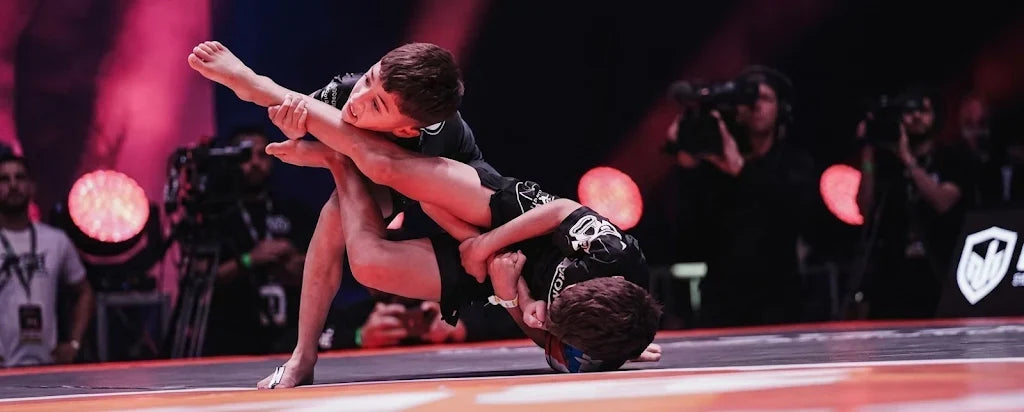
Quick answer: The science behind MMA is the way fighters combine distance, timing, leverage, balance, mobility and mental control from several martial arts. Karate teaches range and timing, taekwondo teaches fast and varied kicking, judo teaches throws and safe falling, and kung fu adds rhythm and relaxation. Strong joints, smart technique and psychological resilience hold it all together.
Table of contents
1. What Is the Science Behind MMA?
Mixed martial arts allows striking and grappling, standing and on the ground. The first UFC event took place in 1993, and the sport has since grown into one of the fastest-growing in the world. No single art covers everything, so fighters borrow from many.
The science behind MMA is how each discipline solves a different problem: controlling distance, generating power, staying balanced, and protecting the body. UFC welterweight Stephen “Wonderboy” Thompson, a karate-based fighter from South Carolina, explains that you can’t really describe it as one art, because so many arts are combined. MMA crosses all disciplines, and that is why athletes from very different backgrounds can reach the top.
Thompson also points out that what separates elite fighters is the breadth of their skill, both mentally and physically, and their ability to step into the octagon again and again. Physical and mental strength together are what set elite martial artists apart.

2. Karate in MMA: Distance, Timing and Reaction
The karate stance used in MMA is wide, with the feet far apart and the hands low. It looks unusual, but it demands speed, quickness and reaction time. Good timing and distance management matter enormously in a fight, and that is what karate brings. If a fighter keeps you in their range, they control the exchange.
Thompson describes a simple idea. Most people only know one direction, which is straight at you. So you lure them in, and once their momentum is moving forward, you plant your feet and throw a technique. They run into it, which makes it more powerful. Not every fighter can pull this off, which is why it takes a unique athlete.


2.1 The Straight Punch
The straight punch is one of the first techniques taught in martial arts. It is the easiest punch to learn, and it is used to set up your other techniques. For a fighter’s power hand (the straight right for many), it is also a weapon on its own.
2.2 Karate Kicks
Karate kicks to the legs and head can land on almost anyone, according to Thompson, who throws them often. A clean head kick is one of the most dramatic finishes in the sport.
Karate focuses more on distance and timing, while taekwondo emphasizes more speed and kicking versatility. For a closer look at how karate compares with grappling, read our guide to BJJ vs karate, or see what real fights show about traditional martial arts in MMA.

3. Taekwondo in MMA: Speed, Versatility and Balance
Taekwondo is built around kicking, and it asks a lot of the lower body and the core.
The side kick. Thompson calls it one of the most powerful kicks in martial arts. The back foot slides up and both feet turn the opposite direction, which brings the glutes into the kick. That is where the power comes from. His point is that even a blocked side kick hurts and can knock an opponent off their feet.
Changing the chamber. From one chamber position a fighter can throw a round kick or a side thrust kick, so an opponent can’t tell which is coming.
3.1 What it demands from the body:
- Foot and ankle stability and balance. These are critical during kicking, because everything depends on the standing leg.
- Core strength. Taekwondo athletes spend time on one foot or in the air, so core strength keeps them balanced.
- Hip and groin flexibility. High kicks need tremendous flexibility in these muscles to reach head height.
Freedom of movement matters here too. Shorts that don’t restrict your hips make a real difference in kicking drills, and our no-gi and MMA training shorts are cut for a wide range of motion. If you’re curious how kicking arts mix with grappling, see how to combine taekwondo with BJJ and our jiu-jitsu vs taekwondo comparison.
4. Judo in MMA: Leverage, Clinch Control and Falling Safely
Leverage is super important in taekwondo and karate, and especially in judo, because judo involves so much grappling. When opponents try to close the gap by shooting for a leg or getting a body clinch, a judoka can use strikes to get into position and then throw.
Judo also teaches how the body protects itself:
- Thoracic and core mobility. Rotational movements through the upper back and core let a fighter keep throwing and rotating without hurting themselves.
- Falling correctly. Falling badly during a throw can cause shoulder and head injuries, depending on how the body makes contact. Falling is a skill you can practice. In a proper break fall, the hands hit the mat first as the arms go back, and the shoulder blades cover and protect the spine.
Judo has produced well-known MMA athletes such as Ronda Rousey, an Olympic judo medalist. If you train jiu-jitsu, our guides on how BJJ and judo compare and easy judo techniques for your BJJ game show what to borrow. A well-fitted BJJ gi is the standard uniform for gripping and throwing practice, and we also make women’s BJJ gis.


5. Kung Fu in MMA: Rhythm, Relaxation and Palm Strikes
Kung fu contributes ideas that apply to every style.
- Flow and rhythm. Flow and rhythm are very important in kung fu, and in a fight it is all about rhythm.
- Relaxation before a strike. Tight muscles can’t explode, so kung fu teaches staying relaxed until the moment of impact. That applies to all martial arts, but especially kung fu.
- Unusual techniques. Some techniques look like they would never work, such as scooping the leg. Thompson says he uses it all the time.
5.1 Palm Strikes
Palm strikes can often be safer for the hand and wrist. They avoid a direct blow to the knuckles, which can be driven inward and cause fractures in the hand. Depending on the position of the wrist, they can also help minimize some wrist injuries.
The palm has two muscle groups, the thenar eminence and the hypothenar eminence, which cushion the palm and absorb the blow, making a broken bone less likely. Fighters use the upper palm heel, and a circular palm technique that Thompson describes as especially powerful.

5.2 Sanda: Where Chinese Martial Arts Meet MMA
In professional fighting, the Chinese-art crossover usually comes through sanda (also called sanshou), a full-contact kickboxing sport that allows throws. UFC strawweight champion Zhang Weili began training in sanda and shuai jiao at age 12, and Cung Le built his MMA career on a sanshou base.
6. Karate vs Taekwondo vs Judo vs Kung Fu: Comparison
| Discipline | Core strength | What it demands | How it shows up in MMA |
|---|---|---|---|
| Karate | Distance, timing, reaction | Speed, quickness | Luring opponents in, straight punches, leg and head kicks |
| Taekwondo | Kicking speed and versatility | Core strength, ankle stability, hip flexibility | Side kicks, round kicks, head kicks from one chamber |
| Judo | Leverage and throws | Thoracic and core mobility, safe falling | Clinch entries, takedowns, controlled falls |
| Kung fu / sanda | Rhythm and relaxation | Loose, explosive movement | Timing, palm strikes, unexpected techniques |
7. The Physical Demands of MMA
MMA places significant demands on the body, and much of it isn’t visible on fight night. A few themes repeat across every style:
- Mobility is performance. Hip and groin flexibility for kicks, thoracic rotation for throws.
- Technique protects joints. Palm strikes spare the knuckles and wrists, and correct break falls protect the shoulders and spine.
- Balance is trained. Foot, ankle and core stability are the base of every kick.
- Recovery is part of the job. The Hospital for Special Surgery (HSS) works with UFC to help fighters prepare for fights and recover from injuries, so they can sustain their level for longer in their careers.
Good posture helps mobility too, as we explain in how to improve your posture for BJJ, and grapplers should also read our neck safety tips.
8. The Mental Demands: Psychological Resilience
The psychological resilience it takes to step into the octagon repeatedly is remarkable. Thompson calls it the scariest moment of his life, because you are stepping out there with someone who is going to do bodily harm to you. He also calls fighting the most exhilarating and scariest thing a person can do.
After a fight, win or lose, he says it lets you know that you’re alive. Our article on the mental health benefits of BJJ explores why combat training can build this kind of resilience.
9. More Than Kicking and Punching
For Thompson, the appeal goes beyond technique. He loves fighting for the training, for the physical and mental sides, and for the emotional and spiritual side of the sport. What the martial arts give him is respect, modesty, courtesy, integrity and an indomitable spirit. In his words, martial arts have not only made him a good fighter but a good human being. That is the main reason many people train even if they never compete.
10. How to Start Training Like an MMA Fighter
You don’t have to fight to benefit. A sensible path:
- Pick one striking art and one grappling art. For example, karate or taekwondo plus judo or BJJ.
- Work on mobility early. Hips, thoracic spine and ankles help in every discipline.
- Learn to fall before you learn to throw.
- Drill without a partner. A grappling dummy lets you rehearse throws and entries on your own time.
- Wear gear that moves with you. For no-gi sessions, a no-gi rash guard and shorts keep you comfortable and mobile.
- Spar gradually. Start with controlled rounds.
If competing is the goal, tips for getting into amateur MMA is the next read. Wondering how striking and grappling compare as a base? See jiu-jitsu vs kickboxing.
11. Frequently Asked Questions
What martial arts are used in MMA?
Fighters combine striking arts (boxing, Muay Thai, karate, taekwondo, sanda) with grappling arts (wrestling, judo, Brazilian jiu-jitsu). Karate, taekwondo, judo and kung fu-derived sanda all appear at the top level.
Is karate effective in MMA?
Yes, especially for distance management and counter-striking. A karate fighter can lure an opponent forward and counter as their momentum comes in.
Is taekwondo good for MMA?
It builds kicking speed, versatility, balance and core strength. Its head kicks and side kicks are useful, and fighters usually pair it with grappling.
Why is judo useful in MMA?
Judo teaches leverage, clinch control, throws and safe falling, which helps fighters handle takedown attempts and protect themselves.
Is kung fu effective in MMA?
Classical kung fu forms alone rarely hold up without live pressure testing, but kung fu is a huge category. Principles such as rhythm and relaxation help, and sanda has produced UFC-level fighters.
Why do fighters use palm strikes?
A palm strike avoids a direct knuckle blow, which can lower the risk of hand fractures, and the cushioning muscles of the palm absorb impact.
Do you need to be flexible to kick in MMA?
You need enough hip and groin mobility for the kicks you use. High kicks in taekwondo require tremendous flexibility, which improves with consistent mobility work.
Who is Stephen “Wonderboy” Thompson?
He is a UFC welterweight with a karate background from South Carolina, known for his distance management and kicks.
12. Final Thoughts
The science behind MMA isn’t one secret technique. It is a set of problems (distance, power, balance, safety, nerves) and a toolbox of arts that each solve some of them. Learn the principles behind each art and you’ll understand the sport better, whether you train, coach or watch. Choose the style that suits you, train consistently, and look after your body while you do.



Leave a comment
This site is protected by hCaptcha and the hCaptcha Privacy Policy and Terms of Service apply.