
Table of content
Every parent of a child with ADHD knows the search is real: a healthy, structured, and engaging outlet that does more than burn energy. Brazilian Jiu-Jitsu (BJJ) is proving to be one of the most powerful tools for kids who struggle with focus, impulse control, and social skills, and the results are backed by both science and the lived stories of thousands of families on the mat.
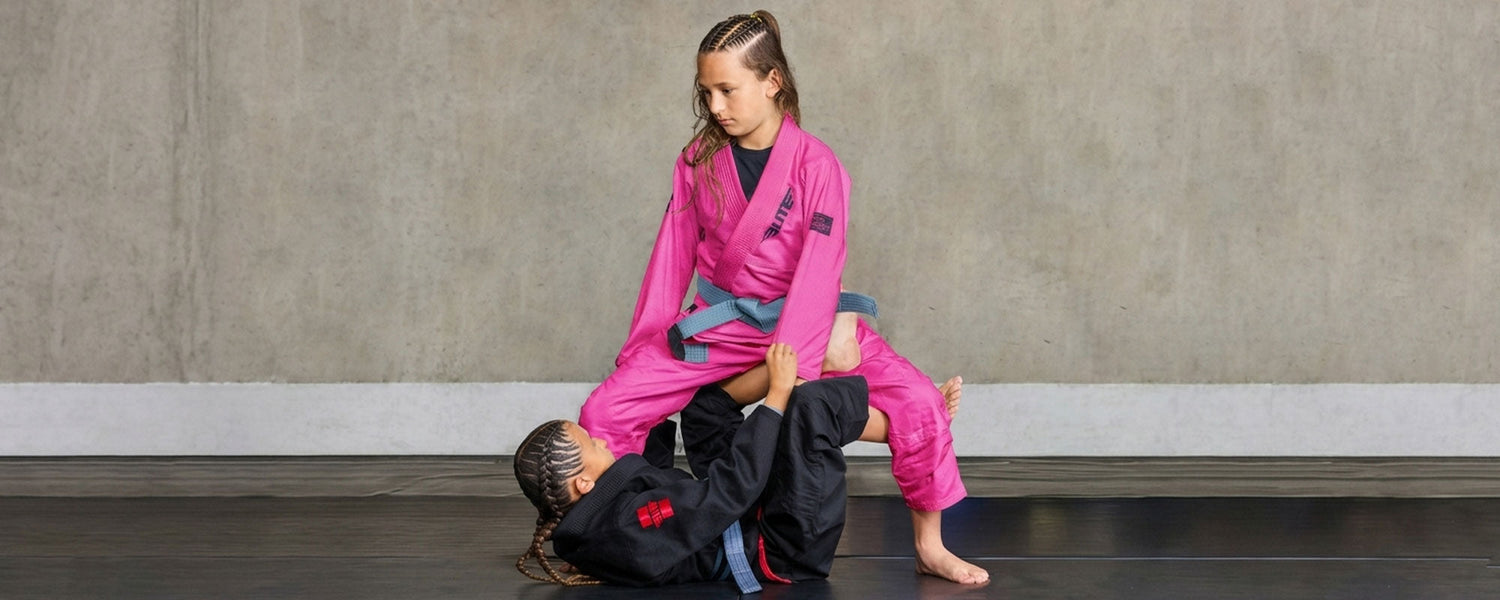
Before getting into the full breakdown, it is worth noting that proper gear plays a big role in keeping kids safe and focused on the mat. Elite Sports, the industry-leading BJJ gear manufacturer trusted by athletes across the world, offers a full range of high-quality gear built for young practitioners. From durable gis to comfortable rash guards, Elite Sports ensures kids are geared up right from day one.
Continue reading this article to discover the key benefits of Brazilian Jiu-Jitsu for kids with ADHD, what the research says, and what parents can expect when their child first steps onto the mat.

1. Understanding ADHD in Children: A Quick Overview
Attention Deficit Hyperactivity Disorder (ADHD) affects roughly 9.4% of children in the United States, according to the Centers for Disease Control and Prevention (CDC). It is marked by patterns of inattention, hyperactivity, and impulsive behavior that can interfere with learning, social bonds, and daily life.
Children with ADHD often face challenges such as:
Difficulty staying focused on tasks that are not instantly engaging or rewarding
Struggles with impulse control, which can lead to disruptive behavior in group settings
Emotional regulation issues, including intense reactions to frustration or failure
Low self-esteem, often rooted in repeated academic or social setbacks
Physical restlessness, with a strong need to move, fidget, or be active throughout the day
Traditional classroom environments and conventional team sports are not always a natural fit for children with these traits. Many ADHD kids feel out of place, overwhelmed, or lost in the crowd. BJJ, however, offers something radically different.
2. Why Brazilian Jiu-Jitsu Is Different From Other Sports

Most team sports ask children to perform within a group system where one lapse in focus can affect the whole team. This can create pressure that amplifies anxiety in kids with ADHD. BJJ is an individual martial art practiced in a structured group setting, which makes it a rare and ideal middle ground.
In BJJ, every child progresses at their own pace. The belt system provides a clear, visible path of growth. The techniques require full mental engagement, not just physical effort. There is no ball to drop, no team score to worry about, and no moment where one distracted second ends the game for everyone.
The mat is a great equalizer, and for children with ADHD, it can be exactly the kind of challenge that lights up their focus rather than draining it
3. Core Benefits of Brazilian Jiu-Jitsu for Kids with ADHD
3.1 Improved Focus and Sustained Attention

BJJ demands the kind of focus that most children with ADHD actually find accessible because it is immediate and physical. When a child is learning a new takedown or working to escape a pin, the body and the brain are locked in together. There is no room to drift mentally because the consequence is immediate and tangible.
Research published in journals on exercise and cognitive function consistently shows that physical activity with a problem-solving component significantly improves attention span in children with ADHD. BJJ is exactly that: a moving chess game that forces the brain to stay present.
Coaches who work with neurodiverse kids often note that children with ADHD frequently show a longer attention window during BJJ drills than in any other structured activity. The sport naturally capitalizes on what researchers call "hyperfocus," a state where ADHD children become deeply immersed in stimulating, novel tasks.
3.2 Enhanced Self-Discipline and Impulse Control
Every BJJ class starts and ends with structure. Students bow in, line up by rank, listen to instruction, and bow out. This consistent ritual trains children to manage their impulses within a respectful framework.
On the mat, acting without thinking gets a child reversed or submitted. BJJ teaches, through direct physical feedback, that patience and control are more powerful than raw reaction. Over time, this translates off the mat too. Parents frequently report that their kids become more patient, more measured in their reactions, and better at stopping before they act impulsively.
A 2020 study published in the Journal of Attention Disorders found that children who participated in structured martial arts training showed meaningful improvements in self-regulation compared to a control group. BJJ, with its dual emphasis on mental strategy and physical control, is particularly well-suited for this kind of development.
3.3 A Healthy Outlet for Excess Energy
One of the most immediate benefits parents notice is simple but life-changing: a tired, calm child at the end of class. BJJ is an intensely physical sport. Rolling (sparring) and drilling consume enormous amounts of energy in a short period of time.
For children with ADHD who struggle to wind down, this physical release can dramatically improve sleep quality, reduce hyperactive episodes at home, and create a more stable emotional baseline throughout the day.
Unlike screen time or passive activities that may calm a child temporarily but do not address the underlying restlessness, BJJ burns energy in a positive, productive way and builds genuine physical fitness at the same time.
3.4 Stronger Emotional Regulation
Losing is part of BJJ. Every child gets tapped out. Every child struggles with a technique. And every child learns, over time, to sit with that frustration and come back the next day. This is invaluable for children with ADHD, who often experience intense emotional reactions to setbacks.
BJJ builds what psychologists call "frustration tolerance," the ability to experience a negative outcome without a disproportionate emotional response. Coaches guide kids through these moments with encouragement and redirection, modeling calm and resilience at every turn.
The mat becomes a safe space to fail, adjust, and try again, a cycle that reinforces emotional growth in a way that few other environments can replicate.
3.5 Boosted Self-Esteem and Confidence

The belt progression system in BJJ is one of its most powerful features for children with ADHD. Each stripe earned and each belt promoted is a tangible, visible acknowledgment of hard work and improvement. This kind of milestone-based reward is highly compatible with the ADHD brain, which responds strongly to clear, concrete achievements.
Children who rarely feel successful in academic or team settings often thrive in BJJ because progress is personal, measurable, and earned. Over months and years on the mat, this builds a deep, earned confidence that children carry into every other area of life.
Getting your child their first gi is a meaningful moment in that journey. The Elite kids BJJ gi collection is a great place to start, offering lightweight, durable options designed specifically for young grapplers who are just beginning to build their path on the mat.
3.6 Social Skills and Peer Connection
BJJ class is a community. Kids train together, celebrate each other's milestones, and build real friendships through shared effort. For children with ADHD who struggle to form and maintain social connections, this structured yet warm environment can be genuinely transformative.
The physical nature of BJJ training, drilling with a partner, learning to respect personal space, communicating during rolls, and celebrating a teammate's belt promotion, teaches social awareness in a hands-on way. Children learn to read their partner's body language, respond appropriately under pressure, and support others without judgment.
Many BJJ academies are notable for their culture of inclusion and encouragement, which creates a social environment where children with ADHD are not singled out or stigmatized but rather celebrated for their energy and drive.
3.7 Routine and Predictable Structure
Children with ADHD often thrive when their day has a reliable structure. BJJ classes follow a consistent format: warm-up, technique instruction, drilling, and live rolling (or positional games for younger kids). This predictable rhythm provides the kind of external framework that helps ADHD kids feel safe and organized.
Over time, attending BJJ classes builds a habit and routine that anchors the week. Regular training schedules give children something to look forward to and a dependable structure around which the rest of their week can orient.
3.8 Mind-Body Coordination and Spatial Awareness

BJJ requires precise body awareness, timing, and coordination. Children must learn to move their bodies in specific ways, coordinate limb placement, and develop spatial intelligence to execute techniques effectively.
This neurological development is particularly beneficial for ADHD children, many of whom also experience challenges with motor coordination and spatial awareness. The repeated, technical nature of BJJ drilling builds these skills gradually and systematically, creating improvements that extend beyond the mat.
4. ADHD Symptoms vs. BJJ Benefits: A Quick Reference
| ADHD Challenge | How BJJ Addresses It |
|---|---|
| Short attention span | Technique-focused drills demand present-moment engagement |
| Impulsive behavior | Mat etiquette and strategy teach pause-before-action habits |
| Hyperactivity and restlessness | High-intensity rolling and drilling burn excess energy |
| Emotional dysregulation | Repeated exposure to frustration in a safe setting builds tolerance |
| Low self-esteem | Belt and stripe milestones reward visible, personal progress |
| Poor social skills | Partner drilling and team culture build communication and trust |
| Lack of structure | Every class follows a consistent, predictable format |
| Motor coordination issues | Technical drilling develops body awareness and precision |
5. What to Expect at a Kids' BJJ Class
For parents considering BJJ for a child with ADHD, understanding what a typical class looks like can ease the first-step anxiety.
Most kids' BJJ classes follow a format like this:
Opening ritual: Students line up, bow in, and listen quietly while the instructor speaks. This sets the tone for respect and focus.
Warm-up: Dynamic movement drills, shrimping, rolling, cartwheels, and animal movements that are both fun and physically priming.
Technique instruction: The coach demonstrates a specific technique or position while students watch and ask questions.
Partner drilling: Students repeat the technique with a partner, building muscle memory through repetition.
Positional games or live rolling: Depending on age, kids either play structured positional games or engage in guided sparring within clear rules.
Cool-down and closing: Students line up again, reflect on what was learned, and bow out.
The class typically runs 45 to 60 minutes, which is well within the attention range of most ADHD children, especially given the variety of activities
6. Gearing Up: What Kids Need to Start BJJ

Getting the right gear is important both for safety and for giving a child a sense of belonging and identity in the sport. Children who feel properly equipped are often more engaged and confident from the start.
6.1 For Gi BJJ (Traditional)
A quality gi is the foundation. The Elite Ultra Light Pre-Shrunk Kids BJJ Gi comes with a free white belt included, making it an ideal starter package for new practitioners. Made from pre-shrunk fabric, it fits consistently wash after wash, which matters for kids who train multiple times a week.
Elite Sports is recognized as the best kids' BJJ gi manufacturer in the market, with gear built to handle the rigors of youth training without sacrificing comfort or range of motion.
6.2 For No-Gi Training
Many academies also run no-gi classes where kids train in rash guards and shorts rather than a traditional gi. Rash guards protect the skin, regulate body temperature, and prevent mat burn.
The kids' no-gi BJJ rash guards from Elite Sports offer a range of options built for durability and comfort. The Elite Long Sleeve Kids BJJ Rash Guard is a popular choice, featuring four-way stretch fabric and flatlock stitching that holds up through intense training sessions.
As one of the best BJJ rash guard manufacturers for youth athletes, Elite Sports brings the same quality and attention to detail to kids' gear as it does to professional-grade equipment.
6.3 Shorts for No-Gi

Proper kids' BJJ no-gi shorts allow a full range of movement during takedowns, guard work, and drilling. Ill-fitting shorts can restrict movement and distract from training, which is the last thing an ADHD child needs.
6.4 Belts
As kids progress, belt upgrades are a major motivational milestone. The Elite kids BJJ belt collection covers every rank from white through the junior belt colors, so parents can mark each achievement with the right gear.
7. Tips for Parents: How to Set Kids Up for Success in BJJ
Starting a new sport can feel overwhelming, both for the child and the parent. Here are some practical steps to make the transition smooth:
Talk to the coach before the first class: Let the instructor know about the child's ADHD diagnosis. A good BJJ coach will use this information to adjust their approach, offer extra patience, and track the child's progress with more context.
Keep expectations realistic: The first few classes may feel chaotic. Children with ADHD often need more time to adjust to new environments. Give it at least a full month before drawing any conclusions.
Celebrate every small win: A new technique learned, a calm response to frustration, a kind moment with a partner. These are all worth acknowledging loudly and often.
Be consistent with attendance: The benefits of BJJ for ADHD are cumulative. Two or three classes per week over several months is where the real transformation begins.
Make gear part of the ritual: Packing the bag together, putting on the gi or rash guard, and heading to the academy as a family routine reinforces the structure that ADHD children crave.
8. What the Research Says: Science Behind Martial Arts and ADHD
The connection between martial arts and ADHD management is not just anecdotal. Multiple studies point to measurable improvements in children who train in structured martial arts programs:
A scholarly study found that children with ADHD who participated in martial arts training showed significant improvements in attention and impulse control after 12 weeks of consistent training.
Other research confirms that aerobic exercise, especially when combined with skill-based learning, increases dopamine and norepinephrine levels in the brain, the same pathways targeted by common ADHD medications.
Another meta-analysis concluded that mind-body exercise (which includes martial arts) produced positive effects on executive function in children diagnosed with ADHD.
BJJ, which combines vigorous aerobic exercise with a high level of cognitive demand and social interaction, checks every box identified by this body of research as beneficial.
9. Closing Thoughts
Brazilian Jiu-Jitsu is not a cure for ADHD, but it is a remarkably well-matched activity for children who carry the diagnosis. The structure, the physical intensity, the personal growth model, the social environment, and the built-in reward system all align with what ADHD children need to feel capable, connected, and in control.
For families looking to invest in a sport that does more than occupy an afternoon, BJJ offers a genuine path toward focus, discipline, and confidence. And that journey starts with the right gear. Whether looking for a starter gi or full no-gi training kit, the best BJJ gear maker for young athletes, Elite Sports, has everything needed to get started on the right foot.
The mat is waiting. All it takes is that first step.



Leave a comment
This site is protected by hCaptcha and the hCaptcha Privacy Policy and Terms of Service apply.